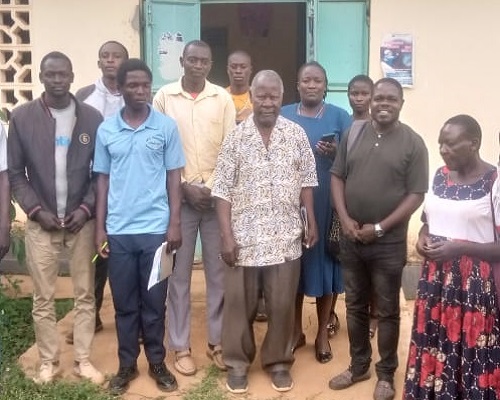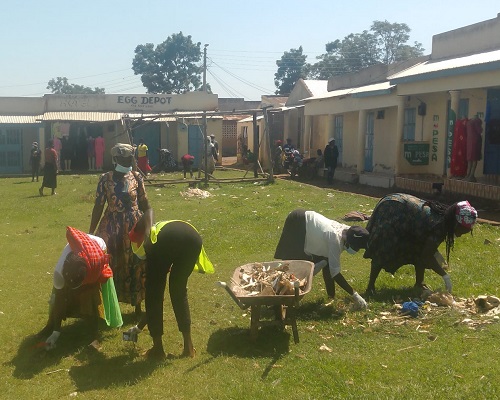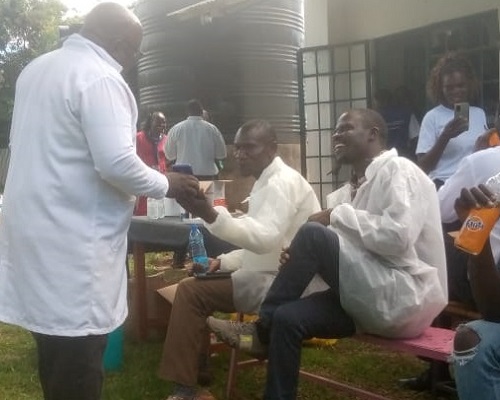
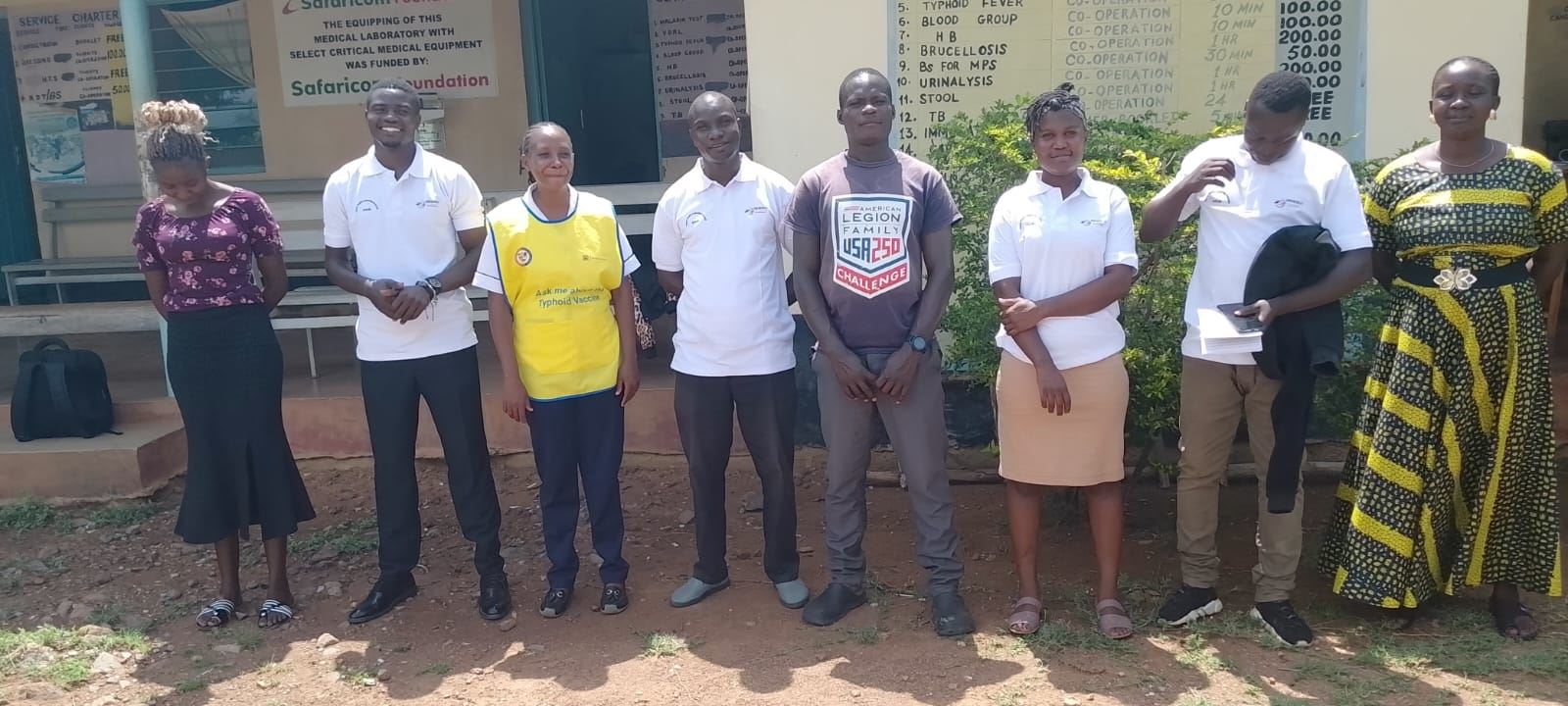
The white polo shirts gave them away. On the morning of 19 November 2026, a delegation of young leaders from the Samia Youth Leadership Network (SYLN) arrived at Busembe Dispensary in Bwiri Ward, the SYLN and ABEDEV logos bright against the green of the compound. They came without placards. They came with notebooks, questions and a camera.
The visit was part of the Youth-led Accountability for Improved Public Service Delivery in Samia (YAS) initiative — ABEDEV’s programme for turning young people into credible, informed monitors of the services their communities depend on. The logic is difficult to argue with: you cannot credibly demand better services if you have never stood inside the facility that delivers them, spoken to the people who run it, or seen the queues, the stock cards and the water tank for yourself.
Over the course of the morning, the leaders were walked through the dispensary’s mandate, the services it offers and the daily realities of keeping a rural health facility running. They asked about staffing, supplies and patient flow. They toured the compound, stopping longest at the parts of a facility that rarely make it into official reports — the water point, the latrines and the medical waste disposal area — where the distance between policy on paper and practice on the ground is often measured in metres.
They also took note of what is working. A facility that keeps its doors open. A service charter on the wall that tells patients what they are entitled to. Staff willing to open their wards, explain their work and answer questions from people half their age. In ABEDEV’s approach, good practice is never a footnote; it is the foundation on which any honest conversation about improvement is built.
You cannot credibly demand better services if you have never stood inside the facility that delivers them.
That is the spirit in which the evidence was gathered. The purpose of the exercise was not to catch anyone out, but to build a shared picture that young people and service providers can act on together. Potential gaps were documented, not dramatised. Observations were recorded, not weaponised. The photographs, notes and testimony collected at Busembe will now be consolidated into a community evidence base and used to structure engagement with the facility’s leadership and ward-level duty-bearers — the people with the mandate, the budgets and the discretion to fix what needs fixing.
The leaders will follow up. They will track what changes, ask why some things do not, and report back to the communities that sent them. That follow-through is the part of accountability that rarely makes the news and almost always makes the difference.
Busembe is one stop on a longer route. Across Samia, SYLN is building a generation of young leaders who understand how public services work, who can read a budget line and a service charter, and who are willing to sit across a table rather than shout from across a fence. Every visit sharpens that skill a little more. Every conversation adds a thread to a relationship that, over time, becomes the real infrastructure of accountability.
What happens next
- Findings and photographs are consolidated into a community evidence base.
- Structured engagement opens with facility leadership and ward-level duty-bearers.
- Progress is tracked and reported back to the communities SYLN represents.